
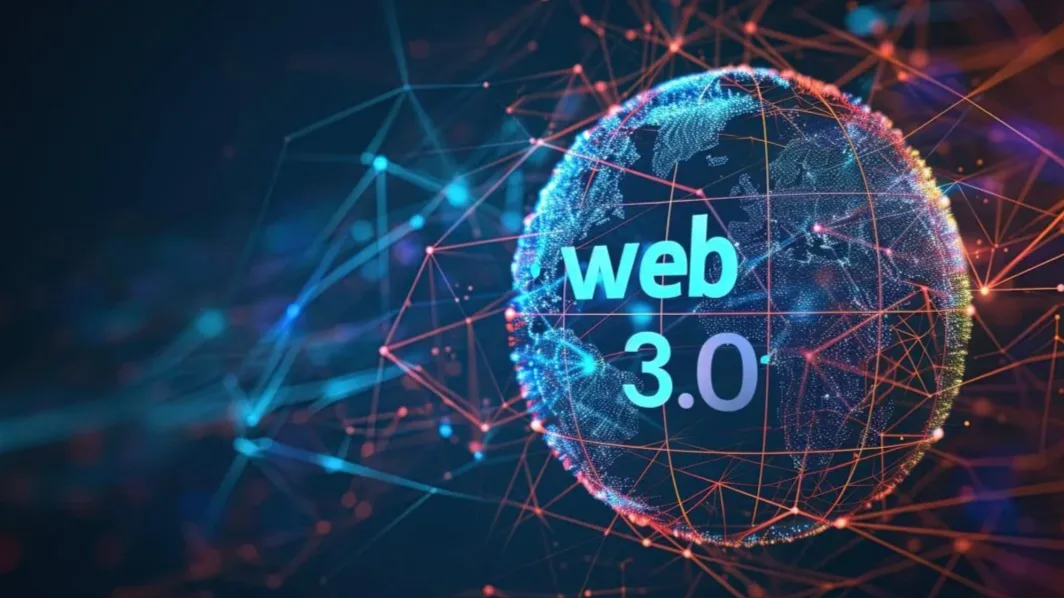
The digital world is entering a new phase of evolution—one that promises to redefine how businesses operate, how users interact online, and how value is created and exchanged. This next phase, known as Web3, is rapidly gaining attention as the future of the internet.
Unlike previous iterations of the web, Web3 is built on decentralization, transparency, and user ownership. Powered by blockchain technology and advanced cryptographic systems, it is transforming traditional digital models and opening up new possibilities for innovation across industries.
Understanding the Shift from Web2 to Web3
To fully appreciate the significance of Web3, it’s important to understand how it differs from the current internet model.
Web2, which dominates today’s digital landscape, is largely centralized. Major platforms control data, user interactions, and monetization. While this model has enabled massive growth, it has also raised concerns around privacy, data ownership, and control.
Web3 addresses these challenges by decentralizing control. Instead of relying on centralized entities, it uses blockchain networks where data is distributed across multiple nodes. This ensures greater transparency, reduces dependency on intermediaries, and gives users more control over their digital assets.
The Role of Blockchain in Web3
Blockchain technology is the foundation of Web3. It acts as a decentralized ledger that records transactions in a secure and immutable way. This means that once data is recorded, it cannot be altered, ensuring integrity and trust.
In a Web3 environment, blockchain enables peer-to-peer interactions without the need for a central authority. This has profound implications for industries such as finance, supply chain, healthcare, and digital media.
Smart contracts—self-executing agreements stored on the blockchain—are another key component. They automate processes, reduce human intervention, and ensure that transactions are executed exactly as programmed.
Key Benefits of Web3 for Businesses
1. Decentralization and Control
Web3 allows businesses to operate on decentralized networks, reducing reliance on third-party platforms. This enhances autonomy and minimizes risks associated with centralized systems.
2. Enhanced Security
With encryption and distributed data storage, Web3 systems are inherently more secure. This reduces the risk of data breaches and unauthorized access.
3. Transparency and Trust
All transactions on a blockchain are recorded and visible, creating a transparent system that builds trust among users and stakeholders.
4. New Revenue Models
Web3 introduces innovative business models such as tokenization, decentralized finance (DeFi), and digital ownership through NFTs. These models open new revenue streams and opportunities for engagement.
5. User Ownership
Users have control over their data and digital assets, leading to more equitable and user-centric platforms.
Real-World Applications of Web3
Web3 is not just a concept—it is already being implemented across various sectors.
In finance, decentralized finance platforms are enabling lending, borrowing, and trading without traditional banks. In supply chains, blockchain is improving transparency and traceability of goods. In digital media, creators are using NFTs to monetize content directly without intermediaries.
Even industries like healthcare and education are exploring Web3 for secure data management and decentralized learning platforms.
These applications demonstrate the versatility and transformative potential of Web3 technologies.
Web3 and Digital Transformation
Digital transformation has been a priority for businesses over the past decade. However, Web3 takes this transformation to a new level.
While traditional digital transformation focuses on digitizing processes and improving efficiency, Web3 introduces a fundamental shift in how systems are designed and operated. It enables businesses to build decentralized ecosystems that are more resilient, transparent, and scalable.
Organizations adopting Web3 are not just improving existing processes—they are redefining them.
Challenges in Web3 Adoption
Despite its potential, Web3 adoption comes with challenges.
Regulatory Uncertainty
Governments and regulatory bodies are still developing frameworks for blockchain and decentralized technologies. This creates uncertainty for businesses looking to adopt Web3 solutions.
Technical Complexity
Building and maintaining Web3 systems requires specialized knowledge and expertise, which can be a barrier for some organizations.
Scalability Issues
Some blockchain networks face limitations in handling large volumes of transactions, although advancements are continuously being made to address this.
User Adoption
For Web3 to reach its full potential, widespread user adoption is necessary. This requires education, awareness, and improved user interfaces.
The Future of Web3
The future of Web3 is both promising and dynamic. As technology continues to evolve, we can expect improvements in scalability, user experience, and regulatory clarity.
Businesses that adopt Web3 early will have a competitive advantage, as they can explore new business models, build stronger relationships with users, and operate more efficiently.
Web3 is not just a trend—it is a long-term shift that will shape the future of the digital economy.
Conclusion
Web3 represents the next frontier of digital transformation. By combining decentralization, transparency, and advanced technologies, it is redefining how the internet works and how businesses create value.
For organizations, the opportunity lies in embracing this change and leveraging Web3 to build innovative, secure, and scalable systems.
At Top Group, we help businesses navigate this transformation by developing practical, future-ready Web3 solutions that align with real-world business goals.