


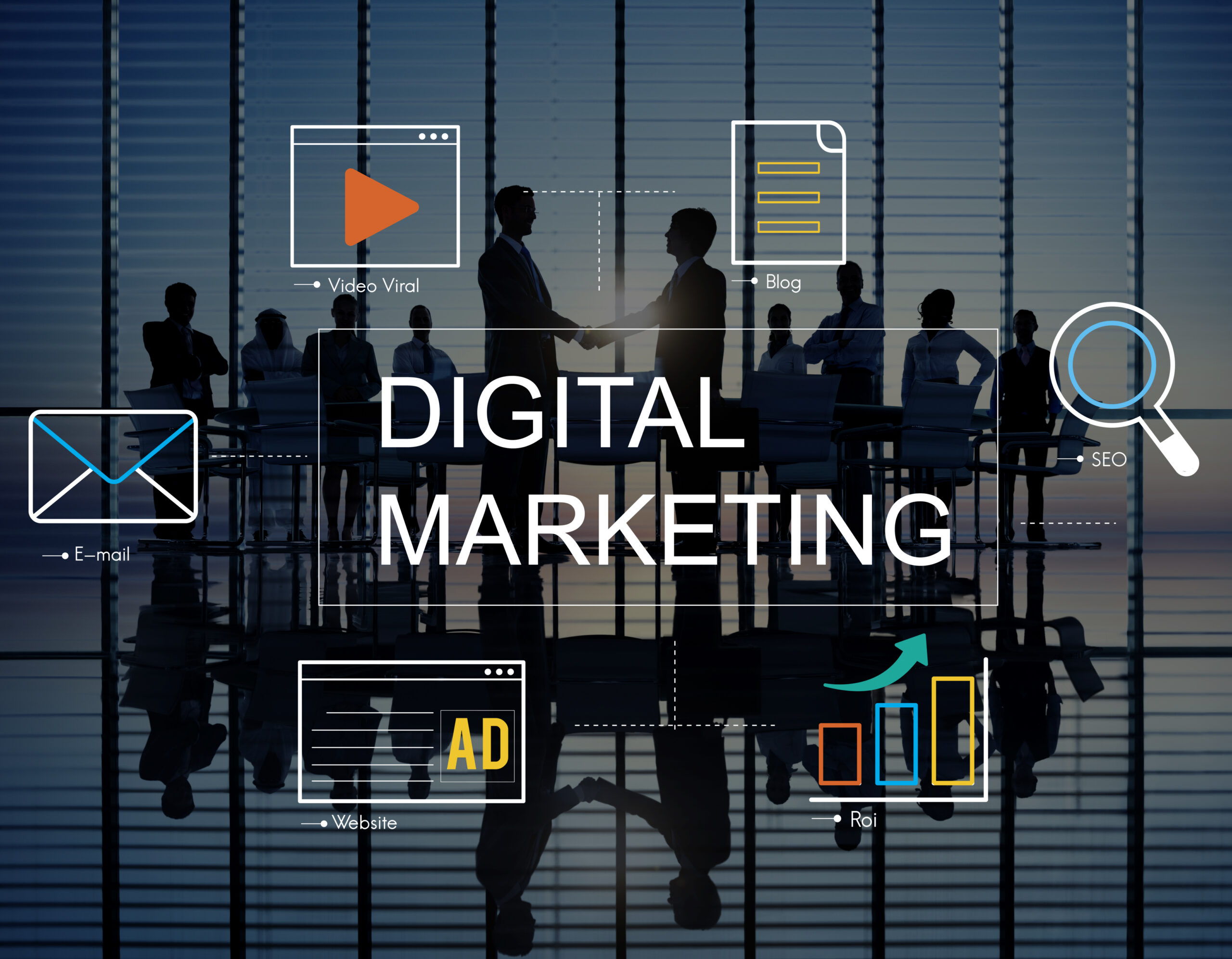
In today’s hyper-connected world, digital media has become the foundation of how brands communicate, compete, and grow. The shift from traditional advertising to digital platforms has transformed not only how businesses reach their audiences but also how they build relationships, create value, and drive long-term success.
Modern consumers are no longer passive recipients of marketing messages. They are active participants—researching, comparing, engaging, and sharing content across multiple digital channels. In this environment, digital media is not just a marketing tool; it is a strategic growth engine that shapes brand perception and influences decision-making at every stage of the customer journey.
The Evolution of Brand Communication
Brand communication has evolved significantly over the past decade. Traditional channels such as television, print, and radio once dominated the marketing landscape. While these channels still have relevance, they lack the flexibility, precision, and measurable impact that digital media provides.
Digital platforms—such as social media, search engines, video streaming services, and online communities—have redefined how brands interact with their audiences. These platforms allow businesses to communicate in real time, respond to customer feedback, and create dynamic, engaging content that resonates with specific audiences.
This shift has made digital media the central hub for brand communication, enabling businesses to maintain a consistent and impactful presence across multiple touchpoints.
Precision Targeting and Personalization
One of the most powerful advantages of digital media is its ability to target specific audiences with precision. Unlike traditional advertising, which often relies on broad demographics, digital media leverages data to identify and reach highly defined audience segments.
Businesses can target users based on factors such as behavior, interests, location, and online activity. This level of precision ensures that marketing messages are relevant and timely, increasing the likelihood of engagement and conversion.
Personalization further enhances this impact. By delivering tailored content and experiences, brands can build stronger connections with their audiences, improve customer satisfaction, and drive loyalty.
Data-Driven Decision Making
Digital media provides access to real-time data and analytics, allowing businesses to measure performance and optimize their strategies continuously.
Metrics such as engagement rates, click-through rates, conversion rates, and return on investment (ROI) offer valuable insights into campaign effectiveness. This data-driven approach enables brands to make informed decisions, allocate resources efficiently, and refine their messaging for maximum impact.
Unlike traditional marketing, where results are often difficult to measure, digital media offers transparency and accountability, making it an essential tool for modern business growth.
Enhancing Brand Visibility and Reach
In a crowded marketplace, visibility is key to success. Digital media enables brands to reach global audiences without the limitations of geography or traditional distribution channels.
Through search engine optimization (SEO), social media marketing, and digital advertising, businesses can increase their online presence and attract potential customers at various stages of the buying journey.
Content plays a crucial role in this process. High-quality, relevant content not only attracts attention but also establishes credibility and authority within an industry. Blogs, videos, infographics, and social media posts all contribute to building a strong digital footprint.
Building Meaningful Customer Relationships
Digital media is not just about broadcasting messages—it’s about creating conversations.
Social media platforms, in particular, have transformed how brands interact with their audiences. Businesses can engage directly with customers, respond to queries, address concerns, and gather feedback in real time.
This level of interaction fosters trust and builds long-term relationships. Customers are more likely to engage with brands that are responsive, transparent, and authentic.
Community building is another important aspect. By creating spaces where customers can connect, share experiences, and engage with content, brands can strengthen loyalty and encourage advocacy.
The Rise of Content-Driven Marketing
Content is at the heart of digital media. In an era where consumers are constantly exposed to information, compelling content is essential for capturing attention and driving engagement.
Video content, in particular, has seen exponential growth. Platforms like YouTube, Instagram, and TikTok have made video a dominant form of communication, allowing brands to tell stories in a more engaging and immersive way.
Storytelling is a powerful tool in this context. By creating narratives that resonate with their audience’s values and aspirations, brands can establish emotional connections that go beyond transactional relationships.
Integration with Business Strategy
Digital media is most effective when it is integrated into a broader business strategy. It should not operate in isolation but rather complement other aspects of the organization, including product development, customer service, and sales.
An integrated approach ensures consistency in messaging and alignment with overall business objectives. It also allows for a more cohesive customer experience, where every interaction reinforces the brand’s identity and value proposition.
Top-performing organizations treat digital media as a core component of their growth strategy, investing in the tools, talent, and processes needed to succeed.
Challenges and Opportunities
While digital media offers numerous benefits, it also presents challenges. The digital landscape is highly competitive, with countless brands vying for attention. Standing out requires creativity, consistency, and a deep understanding of the target audience.
Algorithm changes, platform updates, and evolving consumer behavior also require businesses to remain agile and adaptable. Continuous learning and experimentation are essential to staying ahead.
However, these challenges also create opportunities. Brands that can innovate, leverage data effectively, and deliver meaningful experiences will be well-positioned to thrive.
Conclusion
Digital media has become the backbone of modern brand growth. It enables businesses to connect with their audiences, build relationships, and drive measurable results in ways that were not possible with traditional marketing.
From precision targeting and data-driven insights to content creation and customer engagement, digital media provides the tools and capabilities needed to succeed in a dynamic and competitive environment.
At Top Group, we understand the critical role digital media plays in shaping business success. By combining strategy, creativity, and technology, we help brands build strong digital identities and achieve sustainable growth in the modern marketplace.